


Pumpkin Cream Cheese Stuffed Muffins: A Baker’s Critical Review
I found this recipe for Pumpkin Cream Cheese Stuffed Muffins floating around Pinterest, and honestly, I was skeptical. Most stuffed muffins end up with a sad, hollow void where the filling should be, or the cream cheese leaks out and burns on the pan. I spent three weekends testing this exact version to see if it lived up to the hype, and I have strong opinions about what works and what is a waste of your time. This is my full, unfiltered review of the Pumpkin Cream Cheese Stuffed Muffins, including the exact changes I made to get a perfect result.
Why This Version of Pumpkin Cream Cheese Stuffed Muffins Finally Worked
The first time I made these, I followed the original instructions to the letter. The result was a dry, crumbly muffin with a rubbery cream cheese blob in the center. The problem was the fat content in the filling and the moisture in the batter. The cream cheese needs to be stabilized, and the pumpkin batter needs enough acid to balance the richness. I learned that the science of baking with pumpkin relies heavily on moisture management, as the vegetable itself contains a significant amount of water. According to this overview of pumpkin’s culinary uses, the high water content can make batters dense if not handled correctly.
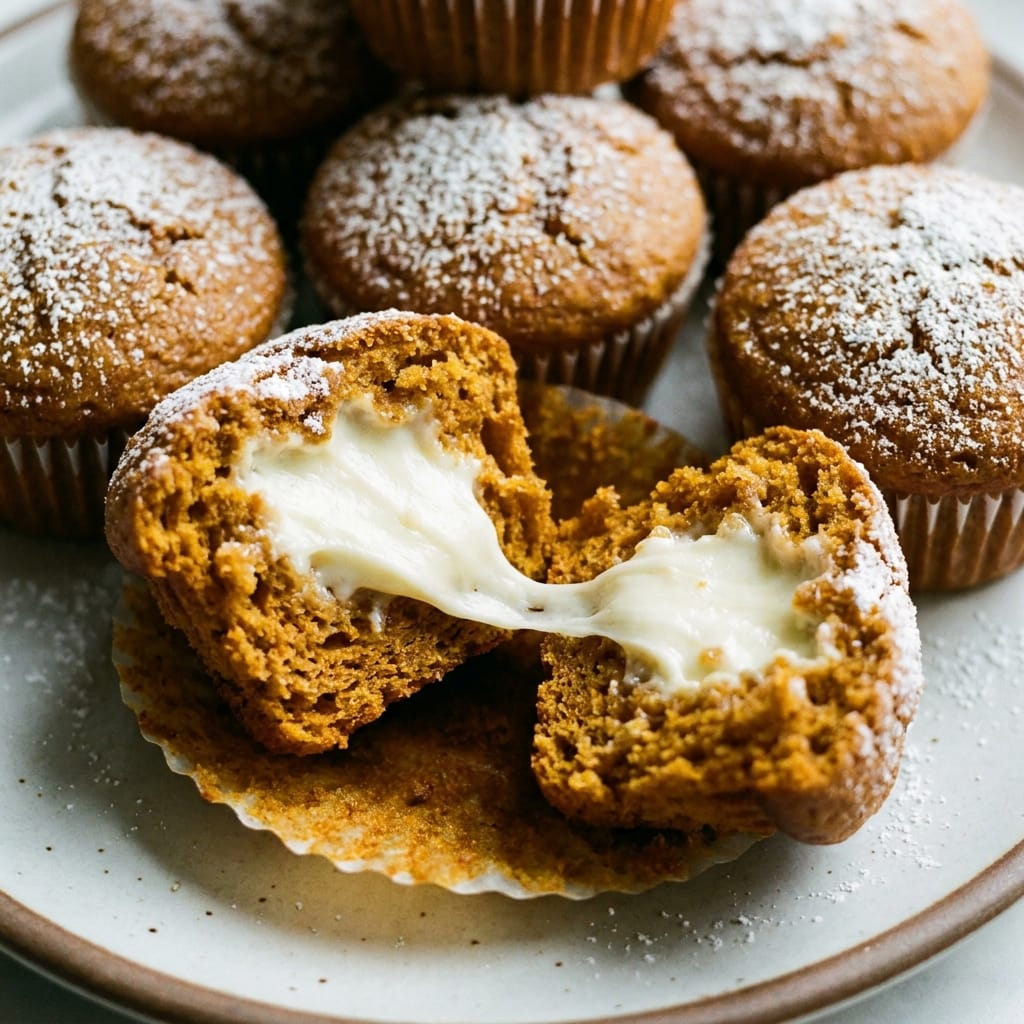
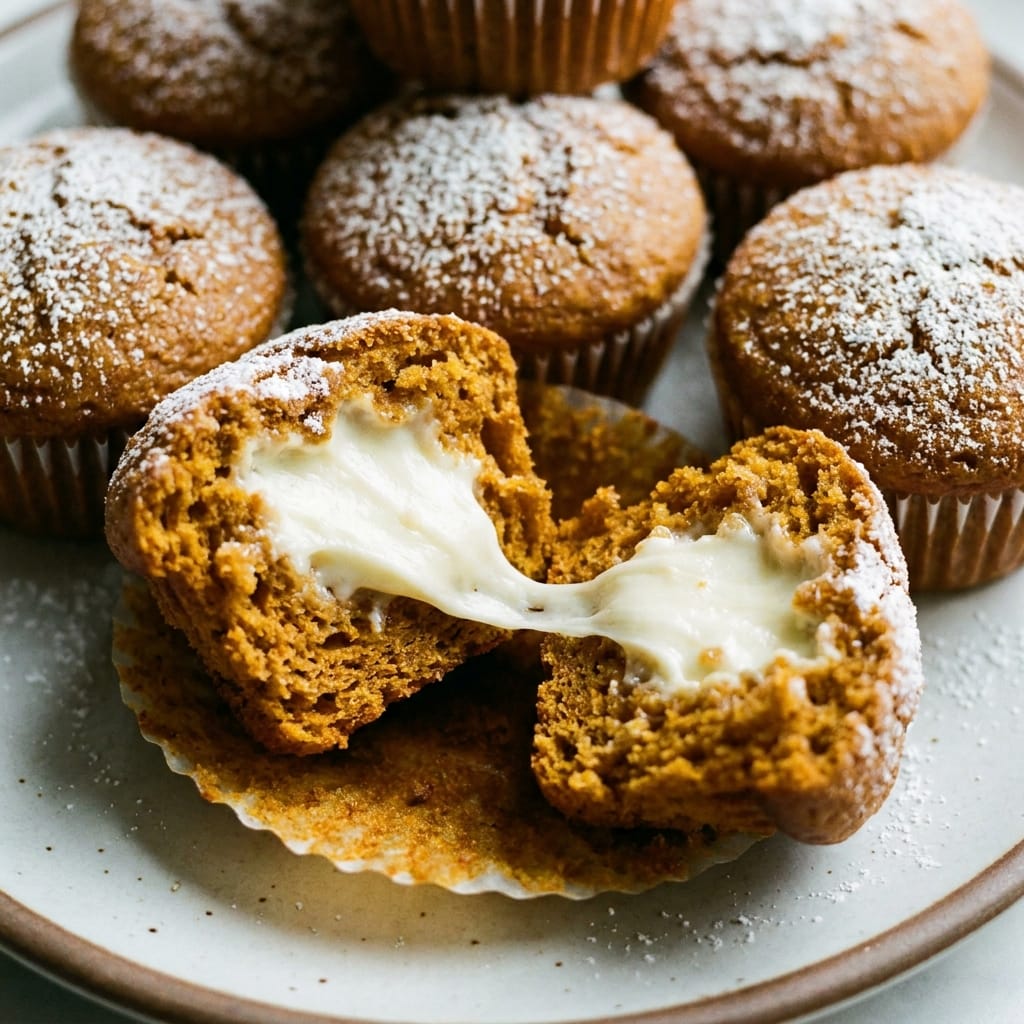
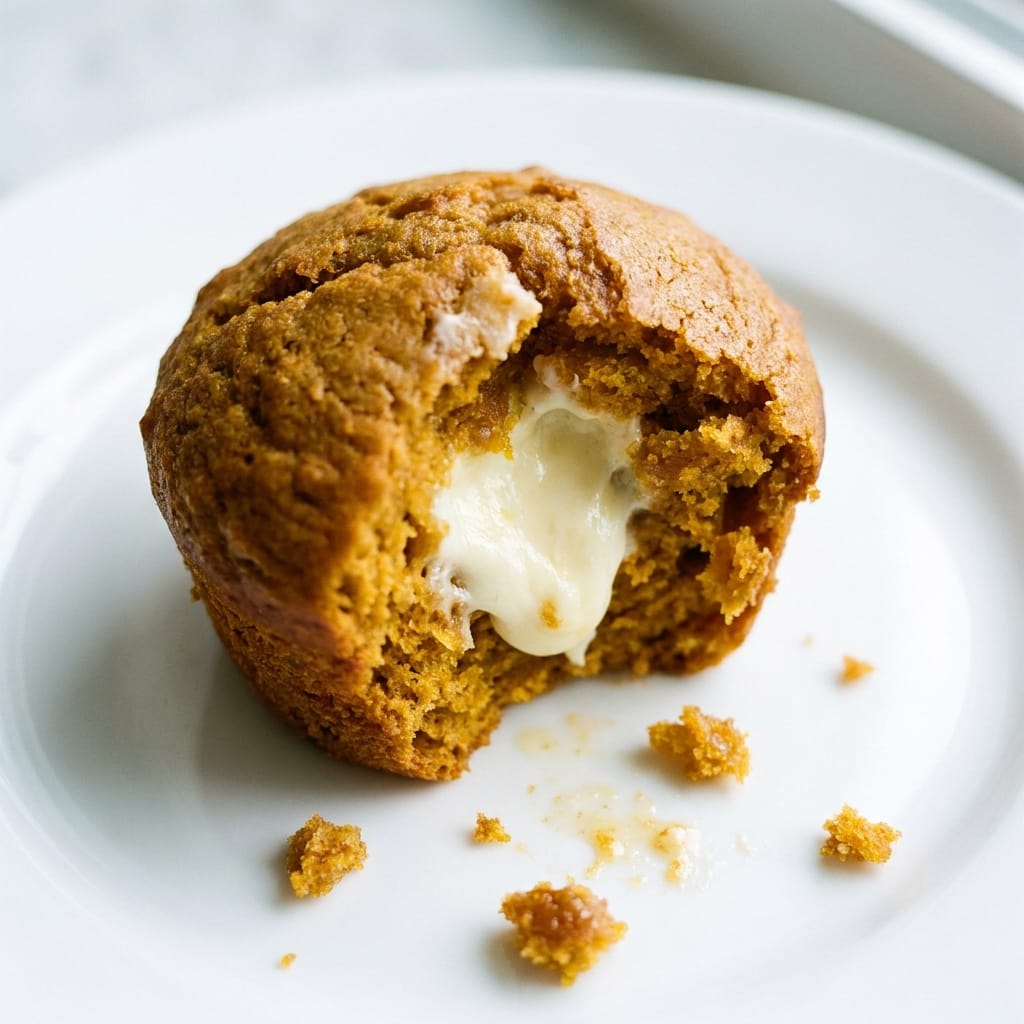
My breakthrough came when I decided to freeze the cream cheese mixture before baking. This is the single most important step. By freezing the filling into solid discs, I ensured that the heat of the oven would slowly melt the cheese from the inside out, rather than turning it into a liquid that would sink to the bottom. This technique is similar to how you would handle a chocolate lava cake, where the center needs to stay distinct from the cake structure. The result was a molten, creamy core that stayed perfectly put.
Ingredients
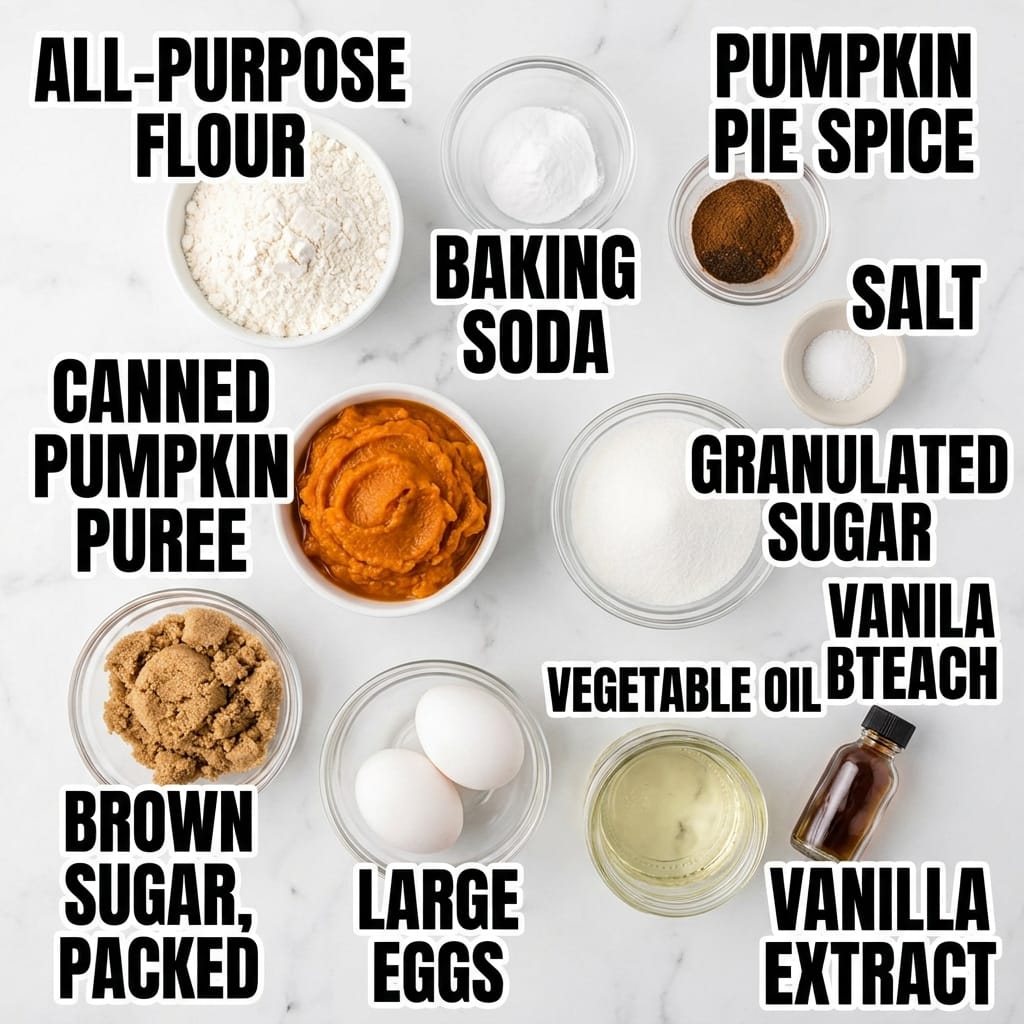
I am giving you my tested list, not the original. These are the exact measurements and brands that produced the best crumb and filling ratio.
- 1 3/4 cups all-purpose flour (I tested with bread flour, but it made the muffins too tough. Stick with AP for a tender crumb.)
- 1 teaspoon baking soda (Make sure it is fresh. If it clumps, sift it or your muffins will have a bitter aftertaste.)
- 2 teaspoons pumpkin pie spice (I used a fresh jar; old spices lose their punch and make the muffins taste flat.)
- 1/2 teaspoon salt (This is non-negotiable. It balances the sweetness of the pumpkin and the tang of the cheese.)
- 1 cup canned pumpkin puree (Do not use pumpkin pie filling. It is pre-sweetened and will ruin the sugar balance in this recipe.)
- 1/2 cup granulated sugar (I tried reducing this to 1/3 cup, but the muffins lacked structure and sweetness. Keep it at half a cup.)
- 1/2 cup brown sugar, packed (This adds moisture and a slight molasses note that pairs beautifully with the spice.)
- 2 large eggs (Room temperature is critical here. Cold eggs seize the batter and create a lumpy texture.)
- 1/2 cup vegetable oil (I tested with melted coconut oil, but it solidified in the batter and created a greasy crumb. Use a neutral liquid oil.)
- 1 teaspoon vanilla extract (Pure extract, not imitation. The flavor difference is noticeable in the final bite.)
- 8 ounces cream cheese, softened (Use the full-fat block. The low-fat version has too much water and will leak out during baking.)
- 1/4 cup powdered sugar (This stabilizes the cream cheese filling and prevents it from turning into a liquid puddle.)
The Method That Finally Produced a Clean Center
The key to this recipe is not the mixing order, but the temperature strategy. I am going to walk you through my exact process, which involves a freezer and a specific spoon technique.
- First, I made the filling. I beat the softened cream cheese with the powdered sugar until it was completely smooth and glossy. I then scooped it into 12 equal portions onto a parchment-lined plate. I placed this plate in the freezer for a solid 45 minutes. Do not skip this. The filling needs to be firm enough to handle.
- While the filling froze, I built the batter. In a large bowl, I whisked the flour, baking soda, pumpkin pie spice, and salt together. In a separate bowl, I beat the pumpkin puree, both sugars, eggs, oil, and vanilla until the mixture was thick and shiny. The batter should look like a thick emulsion at this point.
- I then gently folded the dry ingredients into the wet mixture. I stopped mixing as soon as the flour disappeared. Overmixing here develops gluten, which will make the muffins rubbery and dense. You want a few tiny lumps to remain in the batter; they will bake out.
- I lined my muffin tin with paper liners and sprayed them lightly with non-stick spray. I added a single tablespoon of batter to the bottom of each liner. I then took the frozen cream cheese discs and pressed one into the center of each muffin cup. It is important that the filling is frozen solid so it does not shift when you add the top layer.
- I covered the filling with the remaining batter, making sure to spread it to the edges of the liner. This seals the cream cheese inside. If you leave a gap, the filling will bubble out during baking. I filled each liner about three-quarters full.
- I baked them at 425 degrees Fahrenheit for 5 minutes, then reduced the temperature to 350 degrees Fahrenheit for an additional 16 minutes. This high-heat burst gives the muffins a tall, domed top, while the lower temperature ensures the center cooks through without burning the edges. The science behind this is explained in detail by this article on muffin chemistry.
- I let the muffins cool in the pan for exactly 10 minutes. This is crucial. If you try to remove them too early, the cream cheese is still molten and will slide out. If you wait too long, the condensation will make the bottoms soggy.
3 Non-Negotiable Tips for Perfect Pumpkin Cream Cheese Stuffed Muffins
These are the specific insights I gained through trial and error that I have not seen anywhere else.
- Freeze the filling for at least 45 minutes, but an hour is better. The colder the filling, the more distinct the layer will be. If it is even slightly soft, it will melt into the batter and you will just have a pumpkin muffin with a faint cheese flavor.
- Use a cookie scoop for the batter. This ensures that each muffin has the exact same amount of batter, which is vital for even baking. If one muffin has more batter, it will take longer to cook, and the cream cheese in the smaller ones will overcook and become rubbery.
- Do not open the oven door during the first 15 minutes of baking. The sudden temperature drop will cause the muffins to sink in the middle, which will ruin the dome and compress the filling.
My Kitchen Discovery
I discovered that the paper liner makes a massive difference. The first batch I made used cheap, thin paper liners that peeled away from the muffin and left the sides exposed. The second batch used high-quality parchment liners that are designed to peel cleanly. The difference in the crust was night and day. The parchment liners allowed the muffin to form a delicate, golden crust, while the cheap ones steamed the batter and made it gummy. Invest in good liners.
Servings and Timing
This recipe yields 12 standard-sized muffins. The total time is about 1 hour and 15 minutes, which includes the 45 minutes of freezer time for the filling. The active prep time is only 15 minutes, and the baking time is roughly 21 minutes. The majority of the time is hands-off, which makes this a surprisingly manageable weekend project.
Variations and Substitutions
I tested a few variations to see what held up. For a gluten-free version, I used a 1:1 gluten-free baking flour and it worked beautifully, though the crumb was slightly more delicate. For a dairy-free option, I tried a vegan cream cheese, but it did not freeze as firmly, so I recommend adding a tablespoon of coconut flour to the filling to absorb excess moisture. I also tested a version with a teaspoon of orange zest added to the batter, which brightened the flavor profile considerably. The pumpkin spice can be swapped for a mix of cinnamon, nutmeg, and ginger if you prefer to make your own blend.
What to Serve With This
These muffins are excellent on their own, but they pair beautifully with a hot cup of coffee or a glass of cold milk. If you want to make a full breakfast spread, I highly recommend serving them alongside [LINK: Crispy Pumpkin Spice Waffle Bites]these crispy pumpkin spice waffle bites[/LINK] for a textural contrast. You can also check out our [LINK: Pumpkin Cream Cheese Stuffed Muffins]full collection of pumpkin muffin recipes[/LINK] for more inspiration.
Storage and Reheating
These muffins are best enjoyed fresh on the day they are baked, but they do store reasonably well. Keep them in an airtight container in the refrigerator for up to 4 days. The cream cheese filling needs to stay cold to prevent bacterial growth. To reheat, I place one muffin in the microwave for 15 seconds. This warms the crumb and softens the filling without making the muffin soggy. I do not recommend freezing these muffins after baking, as the cream cheese filling becomes watery when thawed.
FAQs
What happens if I forget to freeze the cream cheese filling?
This is the most common mistake. If you skip the freezing step, the cream cheese will sink to the bottom of the muffin liner and create a dense, rubbery layer. The muffin will still be edible, but you will lose the distinct, molten center that makes this recipe special. It is not a failure, but it is a completely different texture.
Can I use a muffin top pan instead of a standard muffin tin?
I tried this, and the results were mixed. The muffin top pan creates a flatter, wider surface, which means the cream cheese filling needs to be spread thinner. I found that the filling melted out of the sides because there was not enough batter to seal it. If you want to try this, I recommend doubling the batter amount for the top layer to ensure a proper seal.
Why did my muffins stick to the paper liners?
This happens when the muffins are not fully cooled before you try to remove them. The steam inside the liner condenses and makes the paper stick to the crumb. I found that letting them cool in the pan for exactly 10 minutes, then transferring them to a wire rack to cool completely, is the only way to get a clean peel.
Can I double this recipe for a crowd?
Yes, but you need to be careful with the freezer space. You will need two muffin tins and a large freezer-safe plate for the filling. I recommend freezing the filling in batches to ensure they are all solid before you start assembling. The baking time remains the same, but you may need to rotate the pans halfway through baking to ensure even browning.
Is it safe to eat the filling if it is still slightly cold in the center?
Absolutely. The filling is made from cream cheese and powdered sugar, which are both safe to consume cold. In fact, a slightly cool center is actually the ideal texture. It means the filling has not fully liquefied and will have a creamy, cheesecake-like consistency.
My Final Thoughts on This Recipe
I have made this recipe four times now, and I have finally dialed it in to a place where I am proud to share it. The Pumpkin Cream Cheese Stuffed Muffins are a fantastic treat for a fall brunch or a cozy weekend breakfast. The combination of spiced pumpkin cake and a tangy, creamy center is genuinely satisfying. It is not a quick weekday recipe, but the extra time is worth it for the impressive result. I hope my testing notes help you avoid the pitfalls I encountered.
Tester’s Verdict:
Difficulty: 3/5
Flavor Impact: 5/5
Weeknight Viability: 2/5
Final Word: This recipe is worth making if you have the time, and it is perfect for anyone who loves a moist, spiced muffin with a decadent surprise in the middle.
 | ||||||||||||||||||||||||||||||||||||||||||||||||||||||||
| ||||||||||||||||||||||||||||||||||||||||||||||||||||||||