


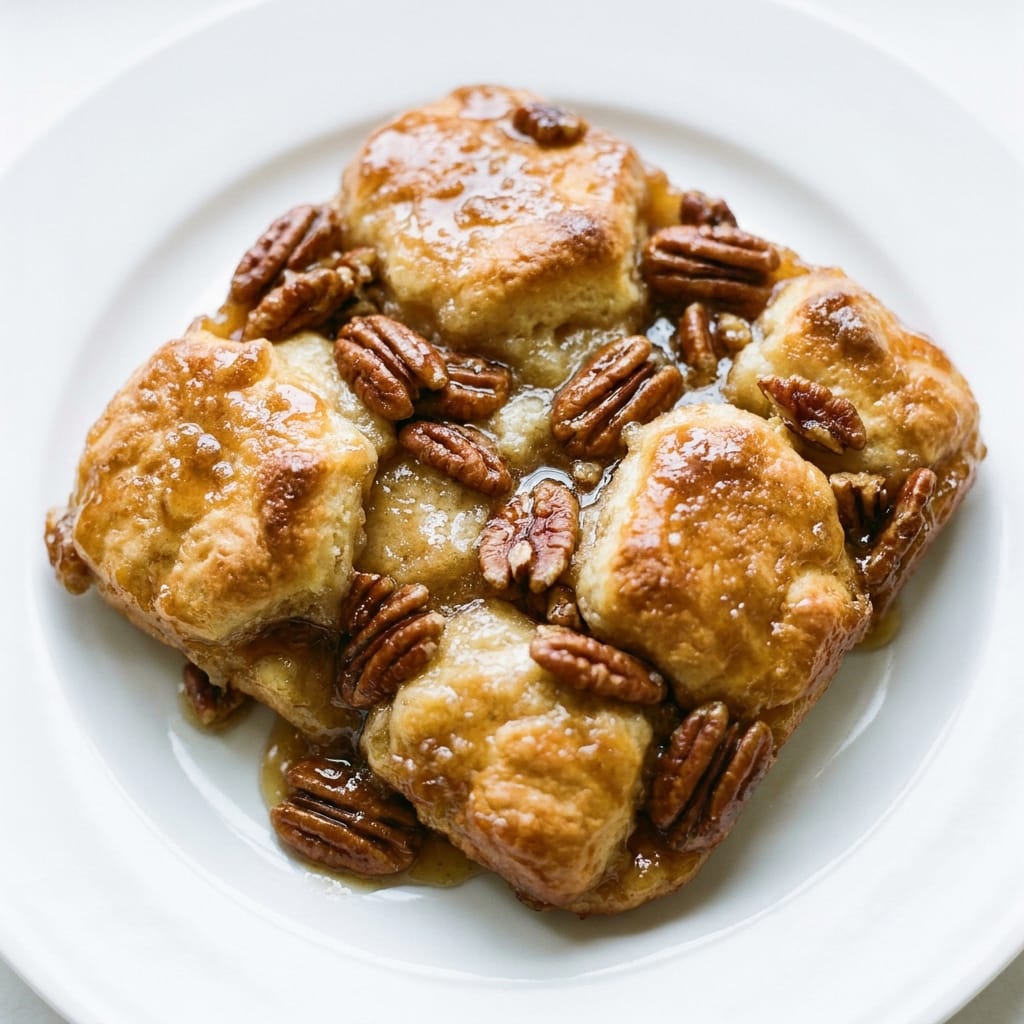
My Honest Review of the Maple Pecan Sticky Bun Casserole
I found this recipe on Pinterest, and the idea of a Maple Pecan Sticky Bun Casserole sounded incredible, but my first attempt was a gluey, sugary disaster. This is my detailed account of testing this viral breakfast dish in my own kitchen, breaking down exactly where the original recipe fails and how I fixed it. I am sharing my complete review so you can skip the failed batches and get to the gooey, nutty perfection on your first try.
The One Temperature Mistake That Ruins the Maple Pecan Sticky Bun Casserole
The original recipe I found called for baking the Maple Pecan Sticky Bun Casserole at 350°F, and the result was a pale, doughy center with burnt edges. The problem is that the heavy syrup and pecan topping act as an insulator, preventing the center dough from cooking through before the outside becomes a sticky mess.
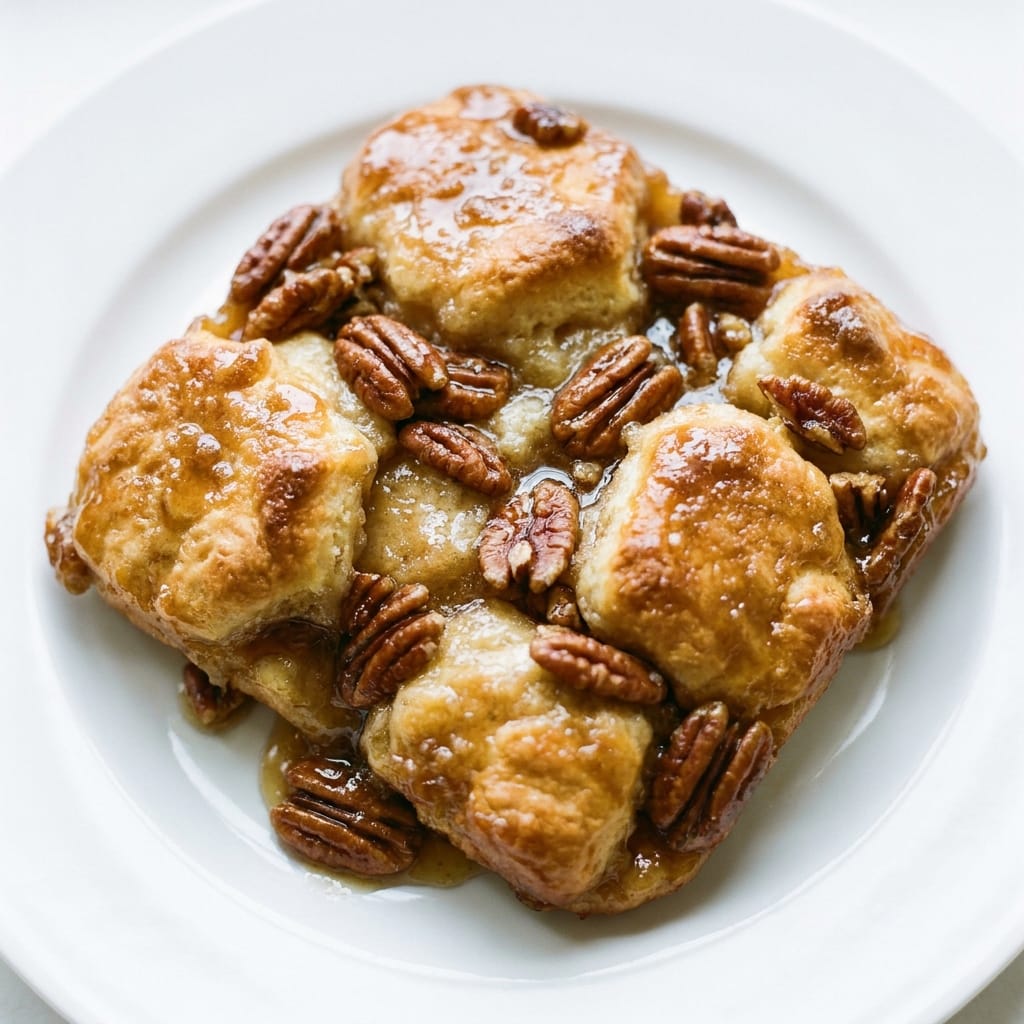
I tested this casserole three times to get it right. The solution was a two-stage baking process: starting at a higher temperature to get the dough to puff and rise, then lowering it to allow the custard-like center to set without burning the pecans. This method, similar to how you would approach a bread pudding, ensures a consistent texture throughout. The difference was night and day, and the final version had a beautifully caramelized top with a soft, tender interior.
Ingredients for My Tested Maple Pecan Sticky Bun Casserole
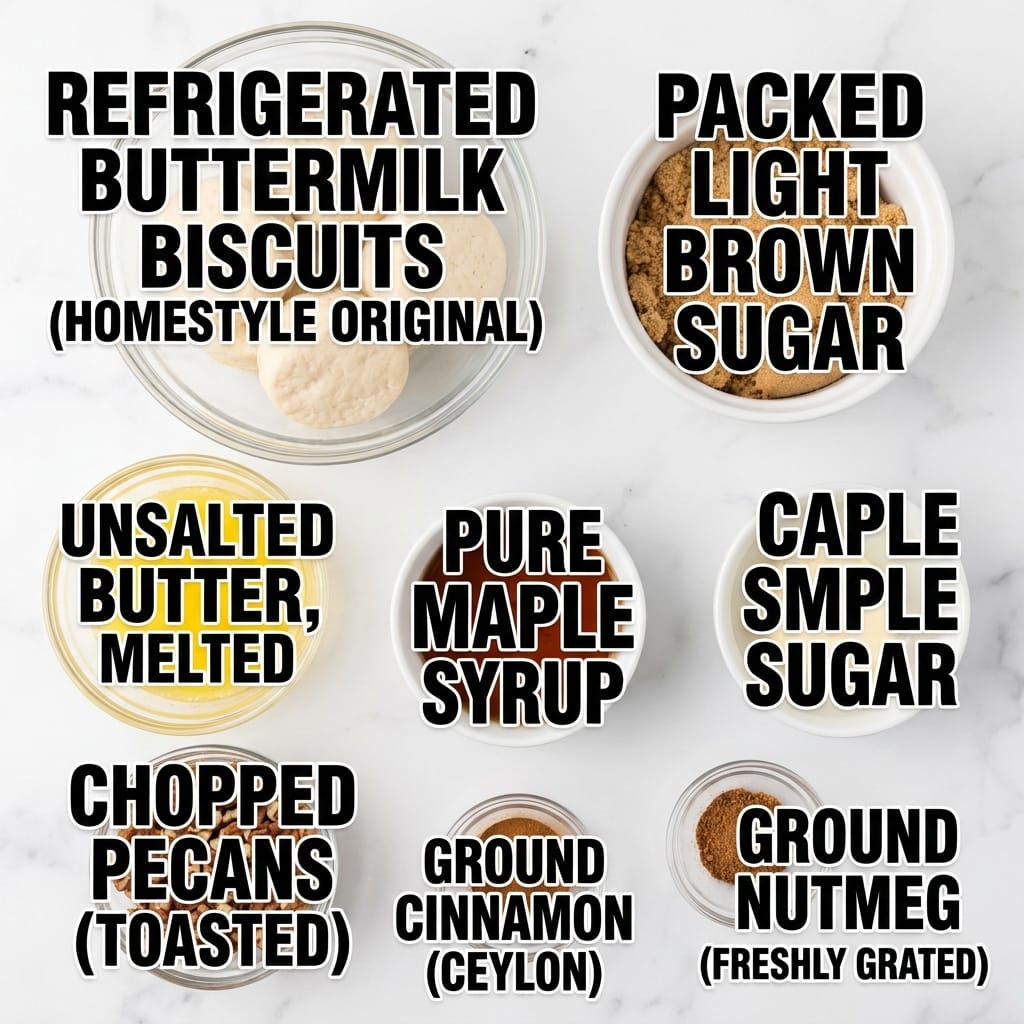
- 2 cans (16.3 oz each) refrigerated buttermilk biscuits (I tried the flaky layer kind first, but the homestyle original works far better here because they absorb the syrup without falling apart)
- 1 cup packed light brown sugar (dark brown sugar adds a deeper molasses note, but it can overpower the maple, so I stuck with light)
- 1/2 cup unsalted butter, melted (I used salted butter once and the casserole was too salty, so stick to unsalted to control the sodium)
- 1/2 cup pure maple syrup (do not use pancake syrup here, the artificial flavor is very noticeable after baking)
- 1 cup chopped pecans (I toasted these first for 5 minutes in a dry pan, which made a huge difference in flavor)
- 1 teaspoon ground cinnamon (I used Ceylon cinnamon, which is sweeter and more delicate than the standard Cassia variety)
- 1/4 teaspoon ground nutmeg (freshly grated is worth it, the pre-ground stuff tastes like sawdust in this application)
The Method That Finally Produced a Perfect Casserole
- First, I greased a 9×13 inch baking dish with butter, not cooking spray. The spray leaves a residue that can make the bottom crust taste slightly bitter.
- I cut each biscuit into quarters and arranged them in the dish. The first time I just tossed them in, but placing them cut-side up allows the syrup to seep into the crevices, which is essential for that sticky bun texture.
- For the sauce, I whisked the melted butter, brown sugar, maple syrup, cinnamon, and nutmeg together in a saucepan over low heat. I learned that you must whisk continuously for about 3 minutes until the sugar is completely dissolved, otherwise, you get a gritty texture. This process is similar to making a proper caramel sauce, where patience prevents crystallization.
- I poured the sauce evenly over the biscuits, then scattered the toasted pecans on top. I made sure to push some pecans down between the biscuit pieces so they were not just a surface decoration.
- Here is the critical part. I baked the casserole at 400°F for 15 minutes. This high heat makes the biscuits puff up rapidly. Then, without opening the oven door, I reduced the temperature to 350°F and baked for another 25 minutes. The initial blast of heat is what creates the light, airy interior instead of a dense, doughy mess.
- I let it cool on a wire rack for exactly 10 minutes. This is not optional. If you serve it too early, the syrup will run off the plate like a soup. If you wait too long, it will solidify into a rock-hard mess.
3 Pro Tips for a Flawless Maple Pecan Sticky Bun Casserole
Tip 1: The biscuit-to-sauce ratio is a trap. Most recipes drown the biscuits, resulting in a soggy bottom. I found that 1 cup of sauce is the maximum for a 9×13 dish. Any more and the casserole never sets.
Tip 2: Do not skip toasting the pecans. Raw pecans will steam inside the casserole and become soft and mealy. Toasting them at 350°F for 5 minutes brings out their natural oils and keeps them crunchy even after being coated in syrup. This is the difference between a good and a great Maple Pecan Sticky Bun Casserole.
Tip 3: Use a glass baking dish instead of metal. The glass heats more evenly and allows you to see the bottom crust browning. With metal, I found the edges were always darker and more caramelized than the center, which led to an inconsistent texture.
My Kitchen Discovery
I discovered that letting the assembled casserole sit on the counter for 15 minutes before baking makes a significant difference. This rest period allows the biscuit dough to come to room temperature, which means it starts cooking immediately in the oven rather than spending the first 5 minutes just warming up. This simple step gave me a more even rise and a fluffier texture overall.
Servings and Timing
This recipe takes about 10 minutes of active prep time and 40 minutes of baking time. The total time from start to finish is about 50 minutes, plus the 15-minute rest period I recommend. It serves 8 people generously, but if you are serving a crowd with big appetites, you might want to double the recipe and use a 9×13 dish plus an 8×8 dish.
Variations and Substitutions
I tested a version using whole wheat biscuits and it was surprisingly good, though the texture was denser. For a gluten-free option, I found that a high-quality gluten-free biscuit dough works, but you have to reduce the initial baking temperature to 375°F to prevent them from drying out. I also tried adding a teaspoon of vanilla extract to the sauce, and while it was delicious, it masked some of the delicate maple flavor, so I left it out of the final version.
What to Serve With This
This casserole is rich, so I like to serve it with something light and acidic to balance the sweetness. A side of fresh fruit salad is perfect. For a bigger brunch spread, I would pair it with [LINK: scrambled eggs with chives]these fluffy scrambled eggs[/LINK] or [LINK: crispy hash browns]my crispy hash brown recipe[/LINK]. The savory elements cut through the sugar beautifully.
Storage and Reheating
The Maple Pecan Sticky Bun Casserole is best served fresh, but leftovers can be stored in an airtight container in the refrigerator for up to 3 days. To reheat, I recommend using a toaster oven or air fryer at 300°F for 5-7 minutes. The microwave will make the biscuits soggy and the pecans rubbery, so I avoid it at all costs. If you want to freeze it, wrap the entire casserole tightly in plastic wrap and then foil. It will keep for up to 2 months.
FAQs
Can I assemble this Maple Pecan Sticky Bun Casserole the night before and bake it in the morning?
I did this, and the biscuits absorbed too much of the syrup overnight, resulting in a mushy texture. If you must prep ahead, I suggest assembling everything but pouring the sauce over the top until right before baking.
What happens if I use the flaky layer biscuits instead of the homestyle ones?
The flaky layers separate during baking and create a messy, fragmented casserole. The homestyle biscuits are dense enough to hold their shape and provide that signature pull-apart texture.
My syrup hardened into a rock after cooling. What did I do wrong?
This means you cooked the sauce for too long on the stove, causing the sugar to reach the hard-crack stage. You want to heat it just until the sugar dissolves, not until it bubbles vigorously.
Is it possible to make this without nuts?
I tried this, and the casserole was far too sweet without the nutty, savory balance that pecans provide. If you have a nut allergy, I would recommend reducing the brown sugar by a quarter cup and adding a cup of shredded coconut for texture.
Can I bake this in a cast iron skillet instead of a baking dish?
Yes, but you will need to reduce the baking time by about 5 minutes because the cast iron retains heat so efficiently. I also found that the bottom crust gets much darker and crispier in a skillet, which some people might prefer.
Final Thoughts on This Sweet Breakfast
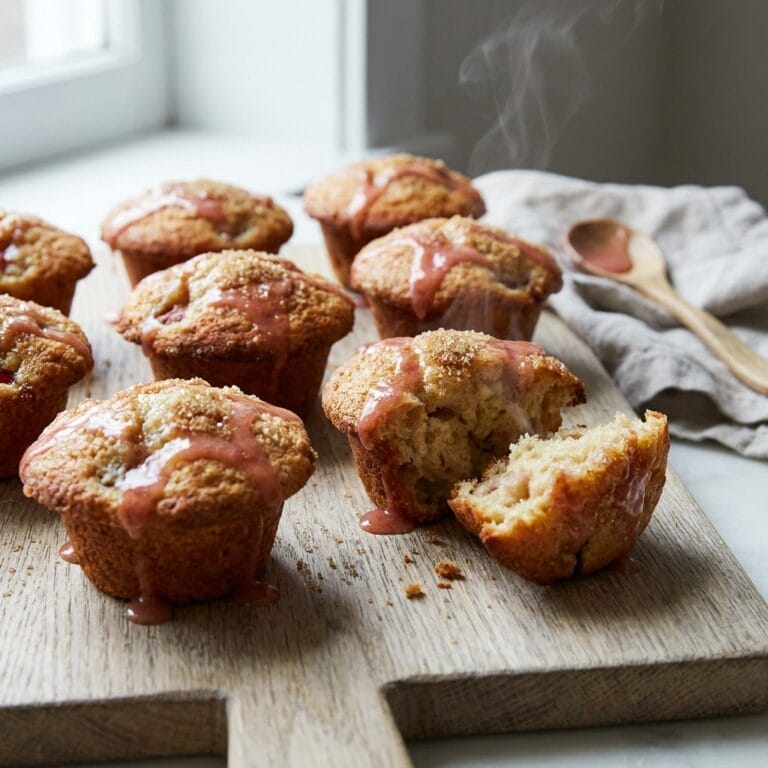
I was skeptical after my first failed attempt, but the final version of this Maple Pecan Sticky Bun Casserole is genuinely fantastic. It has the gooey, caramelized top of a sticky bun and the soft, pillowy center of a good breakfast casserole. It is not a quick weekday breakfast, but for a lazy Sunday brunch, it is absolutely worth the effort.
Tester’s Verdict:
Difficulty: 2/5
Flavor Impact: 5/5
Weeknight Viability: 2/5
Final Word: This recipe is a winner if you follow the high-heat start and let it rest, making it a spectacular centerpiece for a special occasion breakfast.
 | ||||||||||||||||||||||||||||||||||||||||||||
| ||||||||||||||||||||||||||||||||||||||||||||