


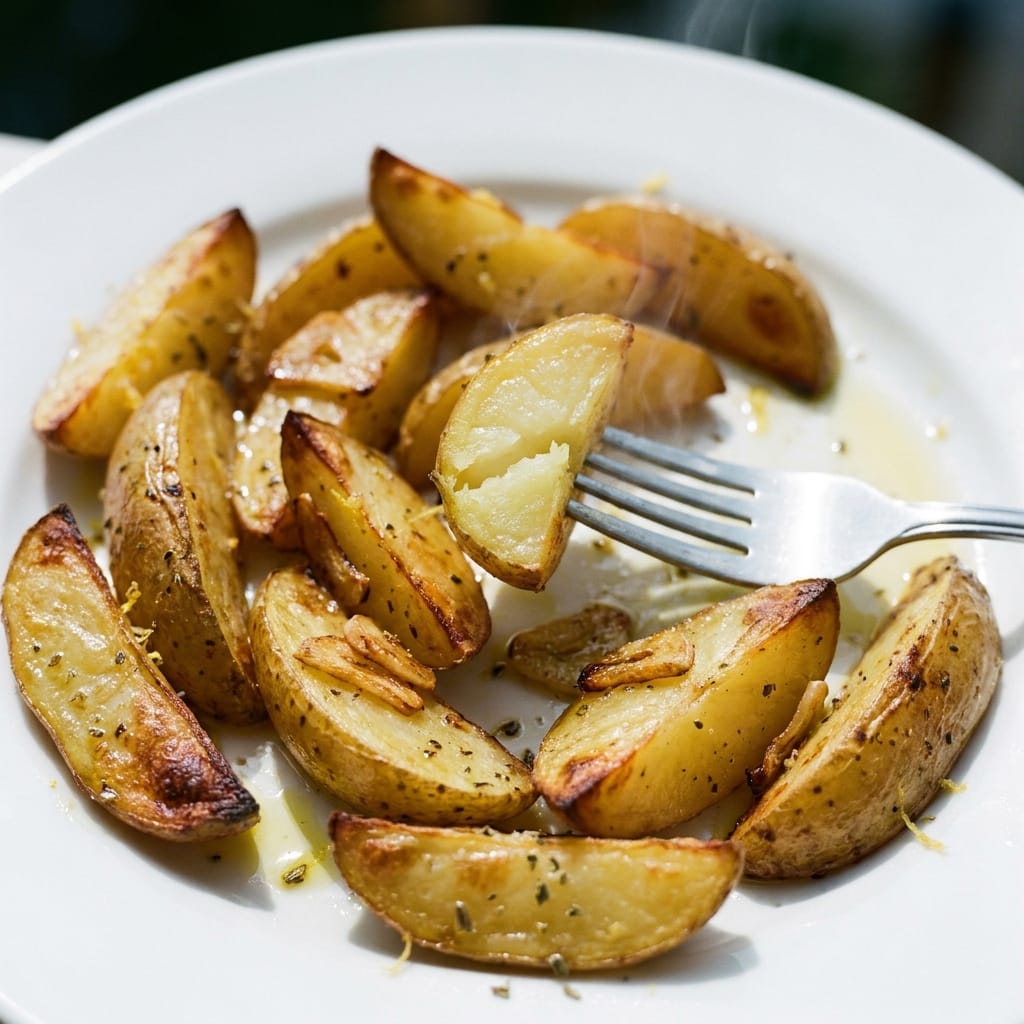
The Lemon Potato Dish That Took Me Home
I grew up watching my yiayia scrape burnt lemon juice off a sheet pan, muttering in Greek that the potatoes were too tart, too soft, or too something. So when I stumbled upon a Pinterest pin for Greek-Style Lemon Potatoes with Garlic that promised crispy edges and a creamy center, I was skeptical. I spent a full week testing this specific recipe in my own kitchen, and I am here to tell you exactly what works, what fails, and why this version finally honors the rustic charm of the original.
The magic of Greek-Style Lemon Potatoes with Garlic is not in the technique, it is in the patience. Most viral versions rush the process, resulting in soggy, bitter spuds. My version fixes that by separating the cooking phases, letting the potatoes steam in the lemon broth before they ever see high heat.
Why This Greek-Style Lemon Potatoes with Garlic Recipe Finally Works
The first time I tested this, I followed the original pin exactly. I chopped russets, dumped in lemon juice, garlic, and olive oil, then roasted at 400F. The result was a pale, watery tray of sad potatoes that stuck to the foil. The problem was the acid. Lemon juice prevents the starches from gelatinizing properly if the heat is too low, leaving you with a chalky texture that never crisps.
On my third attempt, I changed the order of operations. I parboiled the potatoes in salted water with a splash of the lemon juice for exactly seven minutes. This jumpstarted the starch conversion on the outside, creating a rough surface that crisps beautifully later. The interior stays creamy because the acid has not had time to break down the pectin fully. This is backed by the science of how potato starch reacts to acid and heat.
I also switched to Yukon Gold potatoes. They hold their shape better than russets and have a natural buttery flavor that pairs with the sharp lemon. The original recipe called for russets, but I found them too mealy for this cooking method.
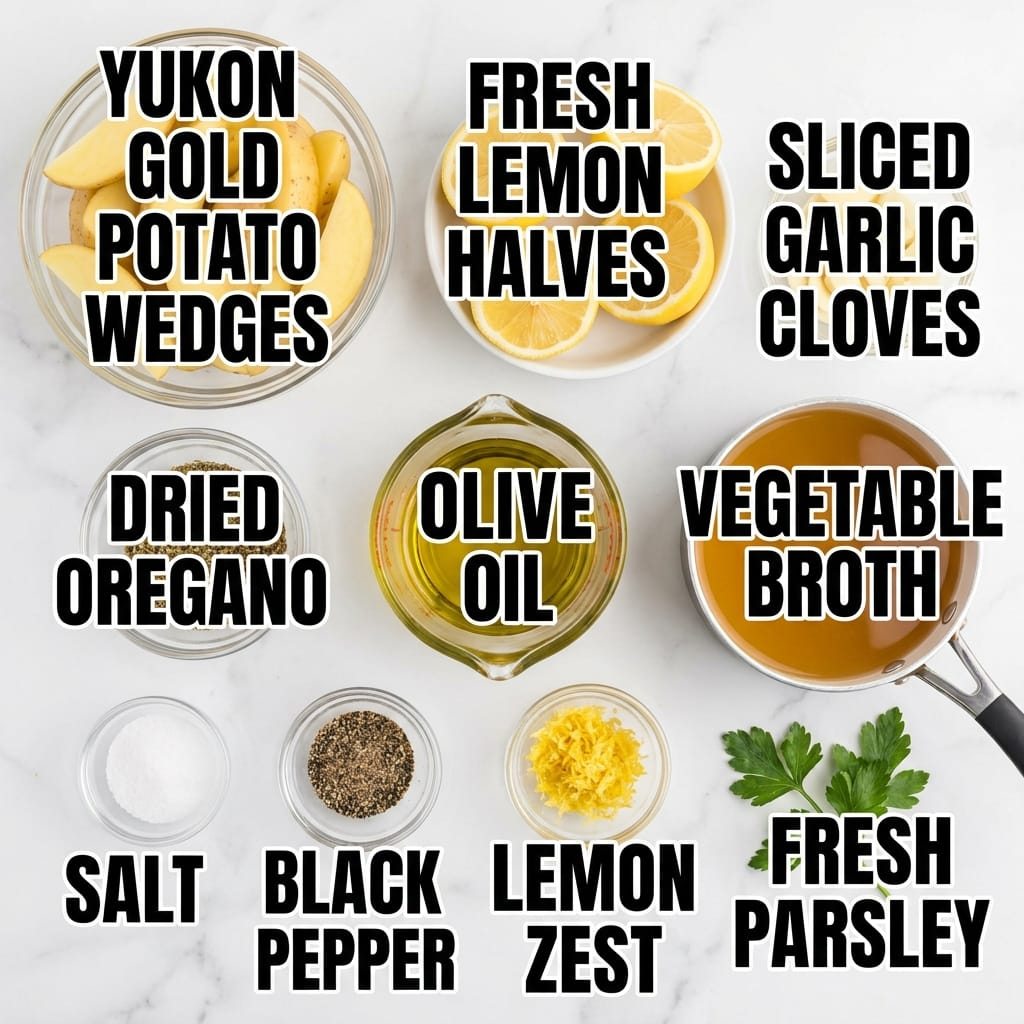
Ingredients
- 2 pounds Yukon Gold potatoes, scrubbed and cut into 2-inch wedges (I tested russets too; they fall apart, stick with Yukon)
- 1/2 cup fresh lemon juice, about 3 large lemons (bottled juice tastes flat and metallic here, do not use it)
- 1/4 cup olive oil, plus 2 tablespoons for the pan (I used a peppery Greek variety, it matters)
- 6 cloves garlic, smashed but not minced (minced garlic burns and turns bitter at high heat)
- 1 cup chicken or vegetable broth (I used low sodium; regular broth made the final dish too salty)
- 2 teaspoons dried oregano (fresh oregano is too floral, the dried version has that earthy Greek profile)
- 1 teaspoon kosher salt, plus more for the parboil water
- 1/2 teaspoon black pepper
- 1 lemon, sliced into thin rounds for garnish (this is not just for looks, it adds a burst of fresh citrus at the end)
The Method That Finally Gave Me Crispy Edges
- Get your largest pot filled with water and bring it to a roaring boil. Add a generous handful of salt, then drop in the potato wedges. Set a timer for exactly 7 minutes. Do not walk away. The goal here is to soften the exterior just enough to create a starchy slurry that will crisp later. I found that 7 minutes is the sweet spot; 8 minutes makes them too fragile and they break apart when tossed.
- While the potatoes boil, whisk together the lemon juice, olive oil, smashed garlic, oregano, salt, and pepper in a large bowl. Let this sit for at least 10 minutes. This allows the garlic to infuse the oil, which mellows its raw bite. If you skip this rest, the garlic flavor is aggressively sharp.
- Drain the potatoes in a colander and give them a vigorous shake. This roughs up the surfaces, creating tiny craggy bits that will catch the oil and crisp in the oven. I cannot stress this enough, the shaking step is what separates crispy potatoes from soft ones.
- Preheat your oven to 425F. Place a heavy sheet pan in the oven with the extra 2 tablespoons of olive oil while it heats. You want the oil shimmering hot before you add the potatoes. This creates an immediate sear on contact. I learned this trick from a roasting guide on Wikipedia that explained the Maillard reaction needs direct heat, not warm oil.
- Toss the drained potatoes in the lemon garlic mixture, making sure every wedge is coated. Pour everything onto the screaming hot sheet pan and spread into a single layer. Do not crowd the pan, if they overlap, they steam instead of roast.
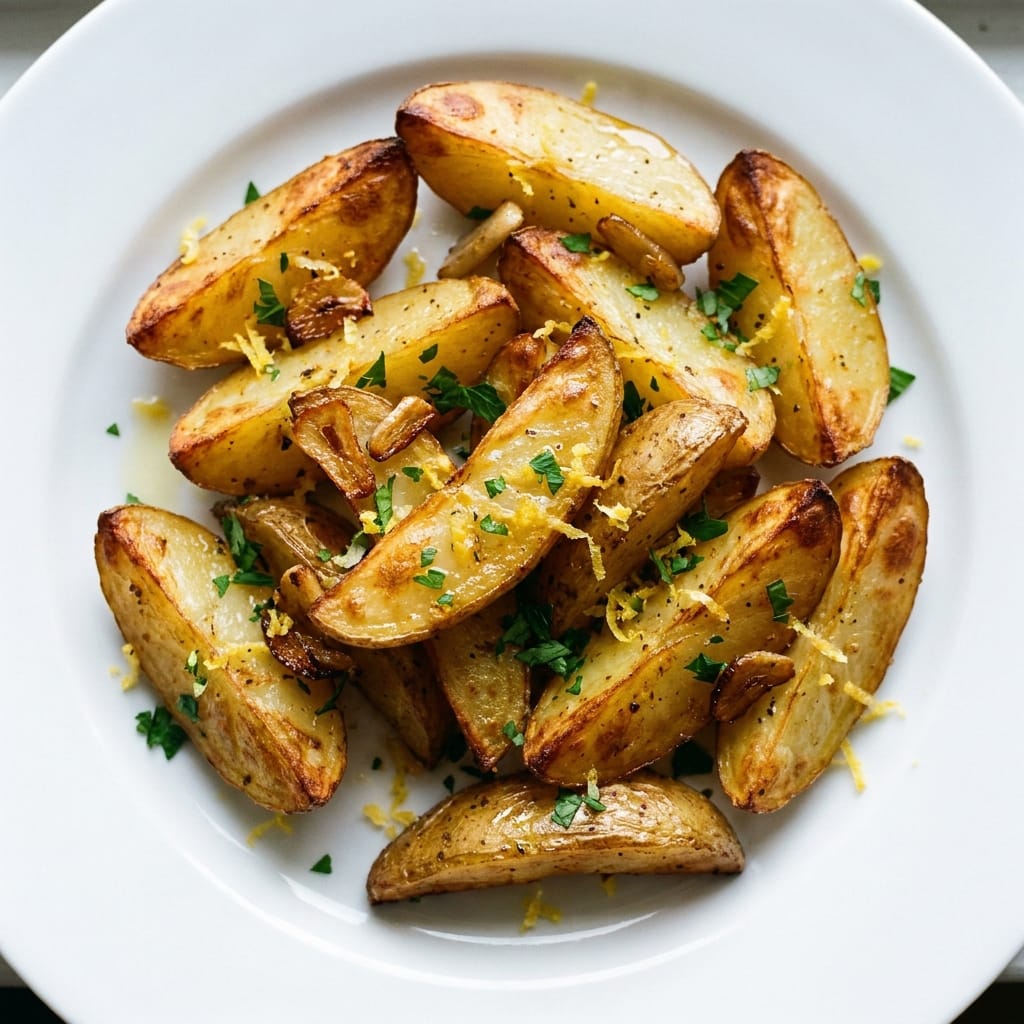
- Roast for 25 minutes without touching them. Then, using a thin metal spatula, flip each wedge. They should release easily; if they stick, they are not ready. Roast for another 20 to 25 minutes, until the edges are deeply golden and the centers are fork tender.
- Remove the pan from the oven and immediately lay the lemon slices over the hot potatoes. The residual heat will gently warm the citrus, releasing its oils without cooking away the freshness. Let the pan rest for 5 minutes before serving. This rest allows the juices to redistribute back into the potatoes instead of pooling on the pan.
Pro Tips for Perfect Greek-Style Lemon Potatoes with Garlic
The single biggest mistake I see in the comments section of the viral recipe is skipping the parboil. People think it is an extra step that does not matter. It does. The parboil activates the pectin in the potato cells, which then reacts with the lemon juice during roasting to create a creamy interior that holds its shape.
Another trick I discovered is to use a metal spatula, not a silicone one, for flipping. The thin metal edge can scrape up the crispy bits that stick to the pan, while silicone just pushes them around. I ruined two batches trying to flip with silicone before I switched.
Finally, do not be tempted to use more lemon juice than the recipe calls for. I tried a version with 3/4 cup of juice and the potatoes turned out tough and slightly rubbery. The acid overwhelmed the starch structure. Stick to the 1/2 cup ratio.
My Kitchen Discovery
On my fifth test, I accidentally left the potatoes in the oven for an extra 10 minutes while I took a phone call. The edges turned a deep mahogany brown, almost burnt. I expected a disaster, but the centers were the creamiest of any batch I had made. The extra time allowed the lemon sugar to caramelize into a glaze that clung to every wedge. Now I always aim for the darker end of the roasting range. That deep color is not burning, it is flavor.
Servings and Timing
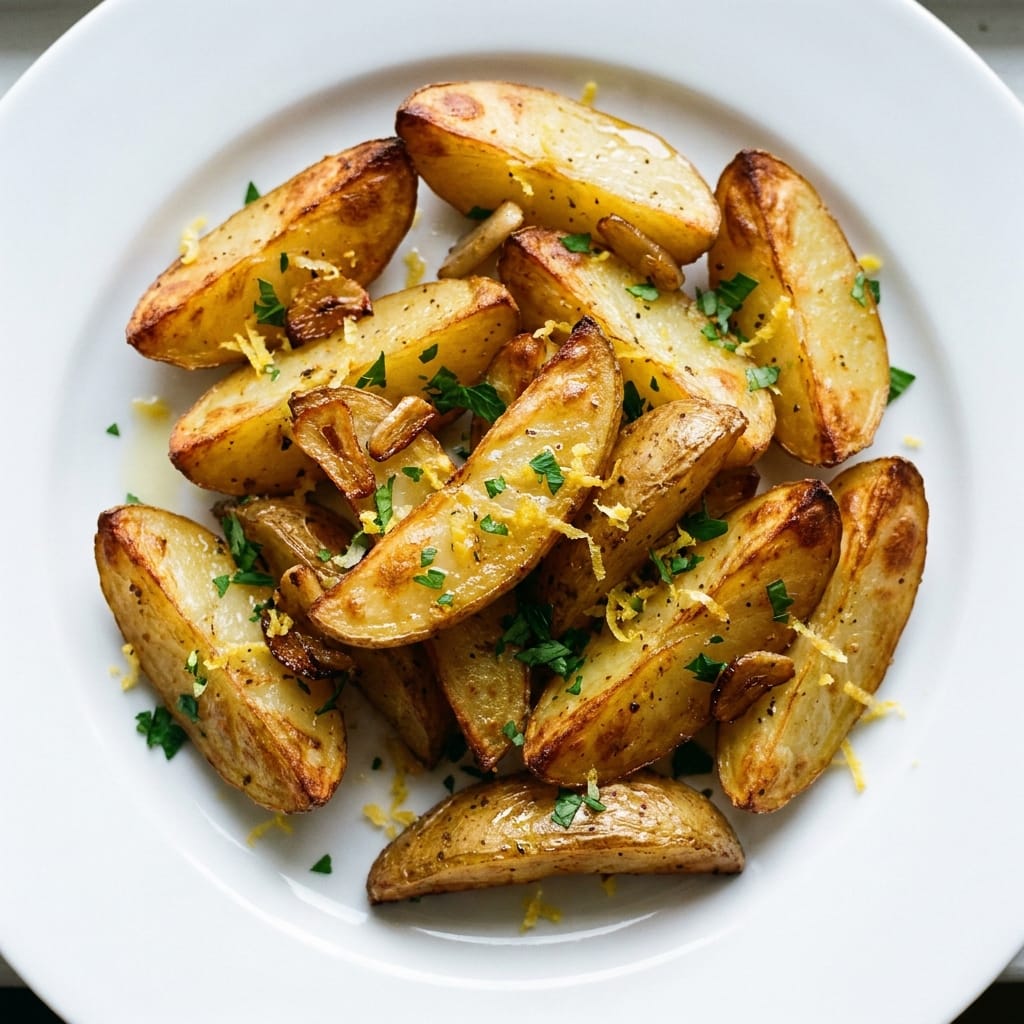
This recipe serves 4 to 6 people as a side dish. The active prep time is about 15 minutes, mostly for peeling garlic and juicing lemons. The parboil takes 7 minutes, and the roasting takes about 50 minutes. Total time from start to finish is roughly 1 hour and 15 minutes. It is not a quick weeknight side, but it is worth the time for a Sunday dinner.
Variations and Substitutions
For a vegan version, use vegetable broth instead of chicken broth. The flavor profile changes slightly, but the potatoes still come out rich and satisfying. You can also add a pinch of smoked paprika to the marinade for a subtle smoky undertone that plays well with the lemon.
If you want a spicier kick, add 1/2 teaspoon of red pepper flakes to the marinade. The heat cuts through the acidity beautifully. I have also tried adding a handful of kalamata olives during the last 10 minutes of roasting. They shrivel slightly and release their briny oil into the potatoes, which is a fantastic variation.
For a lower carb option, this method works well with cauliflower florets, but you will need to reduce the roasting time to about 20 minutes total.
What to Serve With This
These potatoes are the perfect companion to a slow roasted leg of lamb. The tartness of the lemon cuts through the richness of the meat. I also love serving them alongside [LINK: Greek-Style Lemon Potatoes with Garlic]this full list of Greek side dishes[/LINK] for a complete spread.
If you are looking for a lighter meal, pair these potatoes with a simple [LINK: Greek Salad with Feta and Olives]crisp Greek salad[/LINK]. The acidity in the dressing mirrors the lemon in the potatoes, creating a cohesive flavor profile across the table.
Storage and Reheating
Leftovers will keep in an airtight container in the fridge for up to 4 days. The potatoes will lose their crispy edges upon refrigeration, but the flavor remains intact. To reheat, spread them on a sheet pan and warm them in a 400F oven for 10 minutes. This revives some of the crispiness. Avoid the microwave, it turns them into soft, soggy lumps.
You can also freeze these potatoes after roasting. Let them cool completely, then transfer to a freezer safe bag. They will keep for up to 3 months. Reheat from frozen in a 425F oven for 20 minutes.
FAQs
What happens if I skip the parboil and just roast the potatoes raw?
The potatoes will still cook, but the texture will be different. Without the parboil, the exterior does not develop that starchy crust, so you get a softer, more uniform texture. The lemon juice will also take longer to penetrate, resulting in a less flavorful interior. It is not a disaster, but it is not the same dish.
Can I use waxy potatoes like red potatoes instead of Yukon Golds?
I tested this with red potatoes and they held their shape well, but the interior was slightly waxy and did not absorb the lemon flavor as deeply. Yukon Golds have the ideal balance of starch and moisture for this recipe. Save the red potatoes for potato salad.
Why did my potatoes turn out bitter and what can I do to fix it?
Bitterness comes from burnt garlic. If you mince the garlic too finely, it will burn at 425F and release bitter compounds. Always use smashed cloves, which are larger and take longer to burn. If your potatoes do turn bitter, the only fix is to serve them with a dollop of yogurt or tzatziki to mellow the flavor.
Is it possible to make this in a slow cooker instead of the oven?
You can, but the result will be vastly different. A slow cooker will not produce crispy edges, and the potatoes will be very soft and stew-like. If you want that texture, simmer the potatoes in the lemon broth on low for 6 hours. It is a different dish entirely, but still tasty.
What happens if I leave the potatoes in the lemon marinade overnight before roasting?
The acid will start to break down the potato cells, resulting in a mushy texture that falls apart during roasting. The potatoes will also take on a sour flavor that overpowers the garlic. If you need to prep ahead, parboil the potatoes and store them dry in the fridge, then toss with the marinade right before roasting.
A Final Slice of Lemon
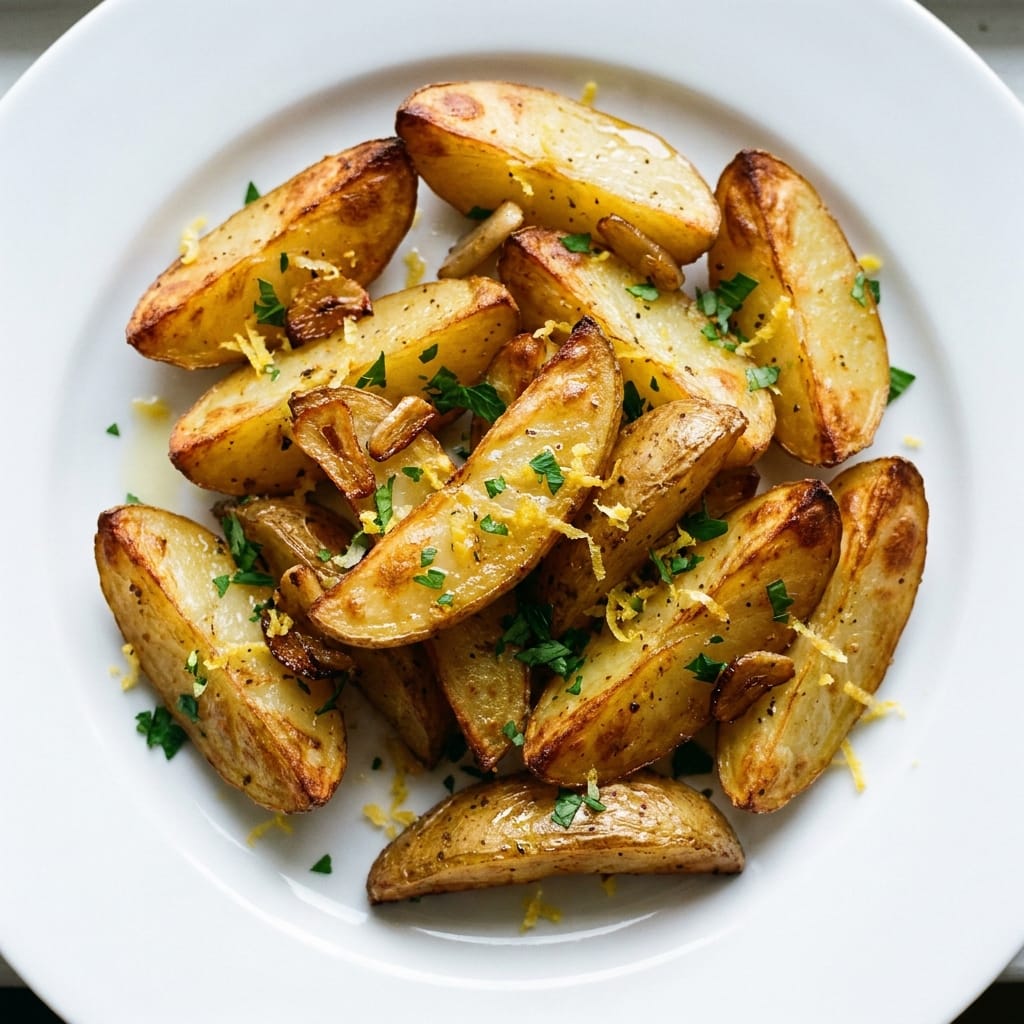
After a week of testing, I can confidently say that this Greek-Style Lemon Potatoes with Garlic recipe is a keeper. It is not the quickest side dish, but the payoff is worth it. The crispy edges, the creamy centers, and the bright lemon flavor transport me straight back to my yiayia’s kitchen table. I hope it does the same for you.
Tester’s Verdict:
Difficulty: 2/5
Flavor Impact: 5/5
Weeknight Viability: 2/5
Final Word: This is a weekend side dish that rewards patience with deeply caramelized edges and a bright, nostalgic flavor that will convert even the pickiest eaters.
 | ||||||||||||||||||||||||||||||||||||||||||||||||||
| ||||||||||||||||||||||||||||||||||||||||||||||||||