


The Best Copycat Texas Roadhouse Salmon Recipe (Easy and Delicious)
Why You’ll Love This Recipe
I have been a regular at Texas Roadhouse for years, and their grilled salmon always stole the show for me. I ordered it so many times that I became obsessed with figuring out that sweet and peppery glaze. After a few messy attempts in my own kitchen, where I burned the sugar and nearly set off the smoke alarm, I finally cracked the code.
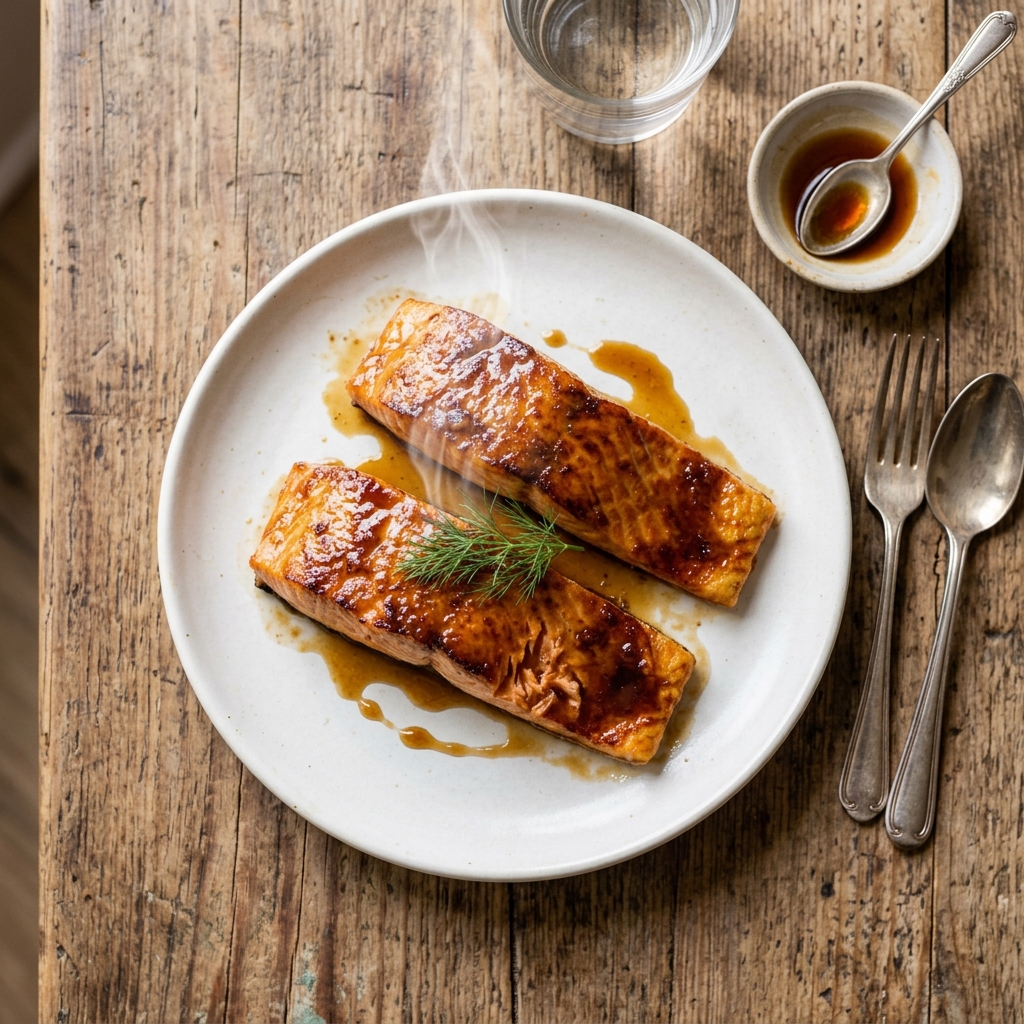
This Copycat Texas Roadhouse Salmon Recipe is the result of many late-night cooking sessions. It solves the problem of wanting that restaurant-quality meal without the wait or the bill. The magic is in the simple glaze, which uses common pantry ingredients to create that signature caramelized crust. If you love recreating restaurant favorites, you should also check out my [LINK: Copycat Texas Roadhouse Salmon Recipe]version of their famous steak seasoning[/LINK]. The flavor profile of this salmon is built on a balance of brown sugar and paprika, a technique often used in American barbecue. You can read more about the history of paprika in cooking to understand its role.
Ingredients
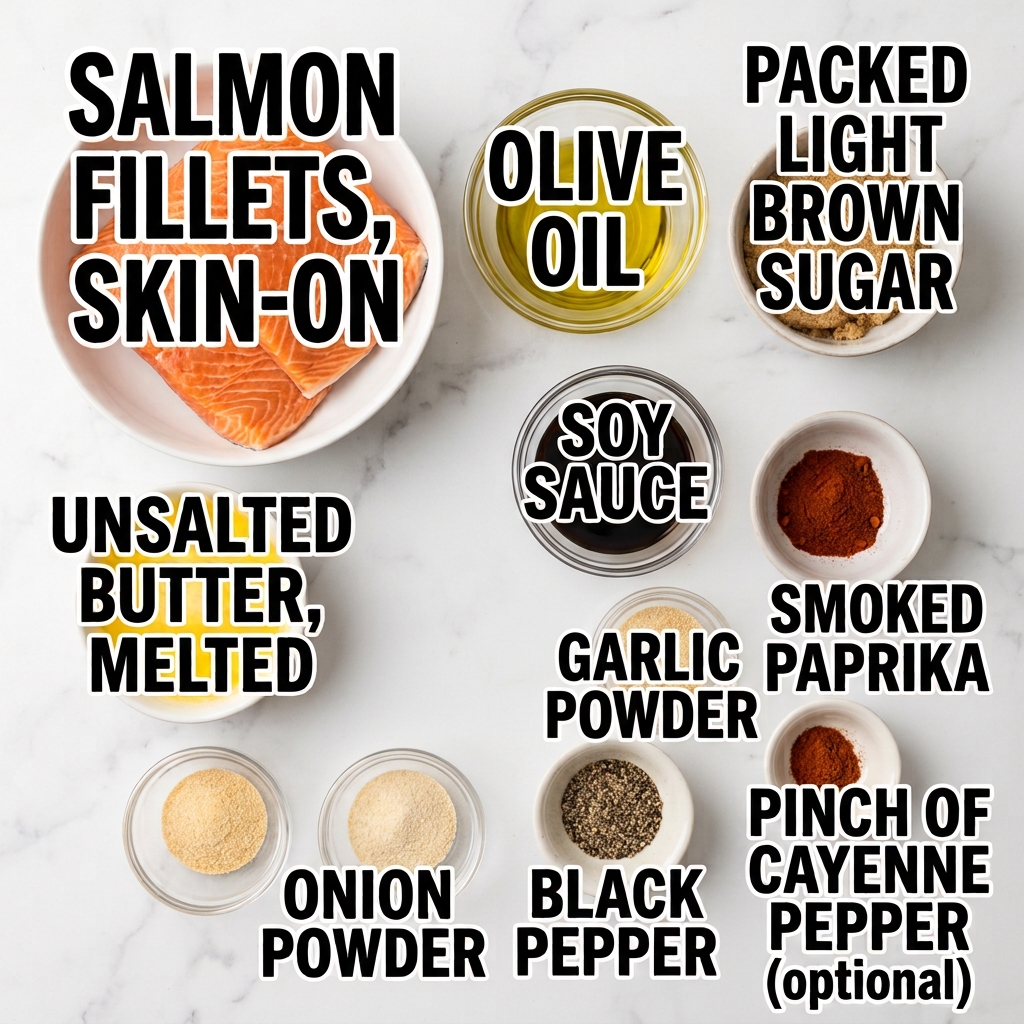
- 4 salmon fillets, skin-on (about 6 ounces each)
- 1 tablespoon olive oil
- 1/4 cup packed light brown sugar
- 2 tablespoons unsalted butter, melted
- 1 tablespoon soy sauce
- 1 teaspoon smoked paprika
- 1/2 teaspoon garlic powder
- 1/2 teaspoon onion powder
- 1/4 teaspoon black pepper
- Pinch of cayenne pepper (optional)
- Lemon wedges, for serving
Step-by-Step Directions
First, pull your salmon fillets out of the fridge and let them sit on the counter for about 15 minutes. This takes the chill off and helps them cook more evenly.
While the fish rests, make the glaze. In a small bowl, whisk together the melted butter, brown sugar, soy sauce, smoked paprika, garlic powder, onion powder, black pepper, and cayenne if you are using it. The mixture will look like a thick, sandy paste. Do not worry if it seems a little gritty; the sugar melts as it cooks.
Pat the salmon fillets completely dry with paper towels. This is a step I never skip. Dry skin means crispy skin. Season the flesh side lightly with a pinch of salt.
Get your heaviest nonstick skillet or cast iron pan on the stove over medium-high heat. Add the olive oil and let it get shimmering hot. You want to hear a good sizzle when the fish hits the pan.
Place the salmon fillets in the pan skin-side down. Press down gently on each fillet with a spatula for a few seconds to ensure full contact with the pan. Let them cook undisturbed for 4 to 5 minutes. You will see the edges of the fillet turn opaque and the skin will start to look golden and crisp.
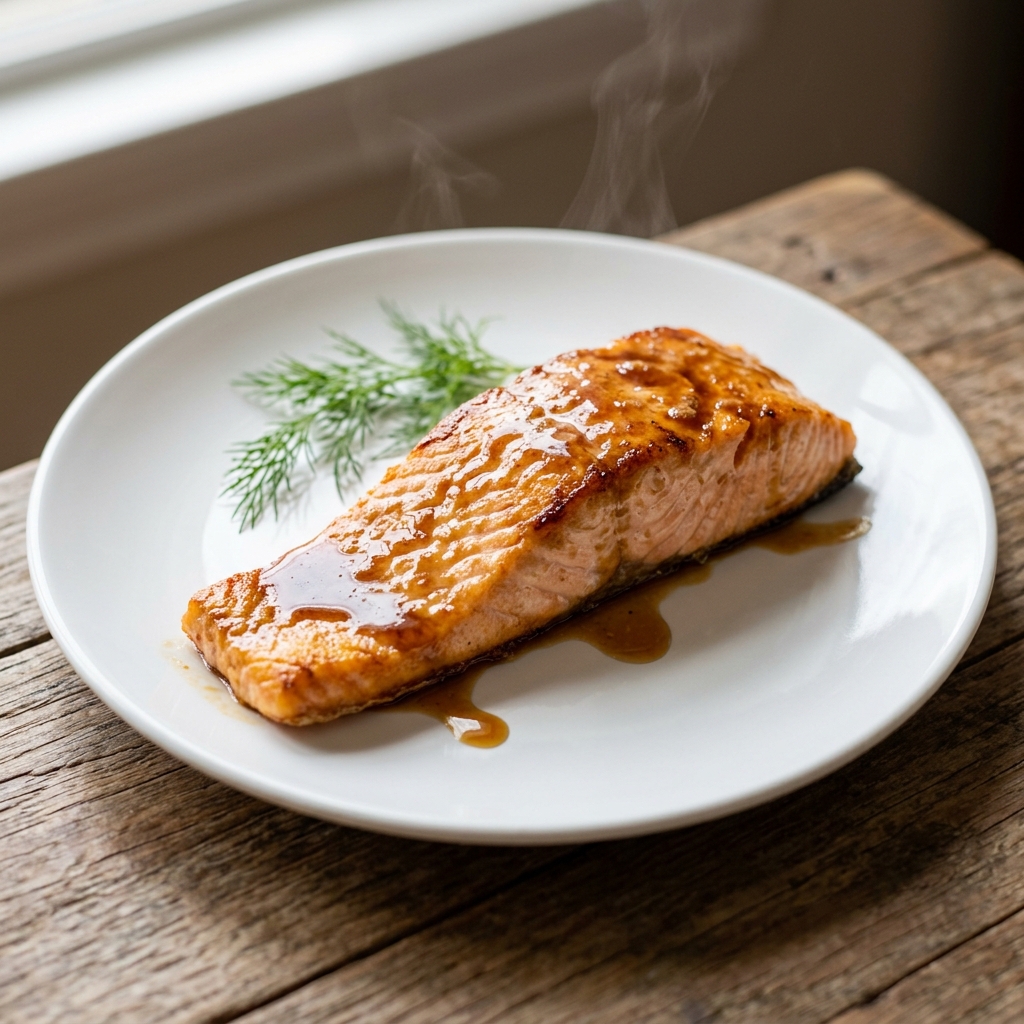
Flip the fillets carefully. The skin should release easily from the pan. If it sticks, give it another 30 seconds. Once flipped, spoon a generous amount of the brown sugar glaze over each fillet. Spread it evenly with the back of the spoon.
Reduce the heat to medium-low. Let the salmon cook for another 3 to 4 minutes. The glaze will bubble and thicken, creating a sticky coating. The salmon is done when it flakes easily with a fork and the internal temperature reaches 145 degrees Fahrenheit.
Remove the pan from the heat. Let the fillets rest in the pan for one minute. The glaze will set up slightly as it cools. Serve hot with a squeeze of fresh lemon juice.
Pro Tips for Success
First, do not crowd the pan. If you are cooking more than four fillets, work in batches. Overcrowding drops the pan temperature and steams the fish instead of searing it. You want that direct heat for a proper crust.
Second, watch the sugar closely. Brown sugar burns fast. Once you add the glaze and flip the fish, keep your heat at medium-low. If you see the glaze turning black, your pan is too hot. Pull it off the burner for a minute.
Third, use skin-on salmon. The skin acts as a protective barrier and keeps the fish moist while it cooks. It also gets incredibly crispy, which is my favorite part. For more on the science of cooking fish skin, check out this article on fish as food.
Servings and Timing
This Copycat Texas Roadhouse Salmon Recipe makes 4 generous servings. The total time from start to finish is about 25 minutes, with only 10 minutes of active cooking. It is a perfect weeknight dinner that feels fancy.
Variations and Substitutions
If you do not have light brown sugar, dark brown sugar works fine. It will give a deeper molasses flavor. For a gluten-free version, swap the soy sauce for tamari or coconut aminos. You can also use maple syrup instead of brown sugar for a different sweetness, but the texture of the glaze will be thinner. If you want a spicier kick, double the cayenne pepper or add a dash of hot sauce to the glaze.
What to Serve With This
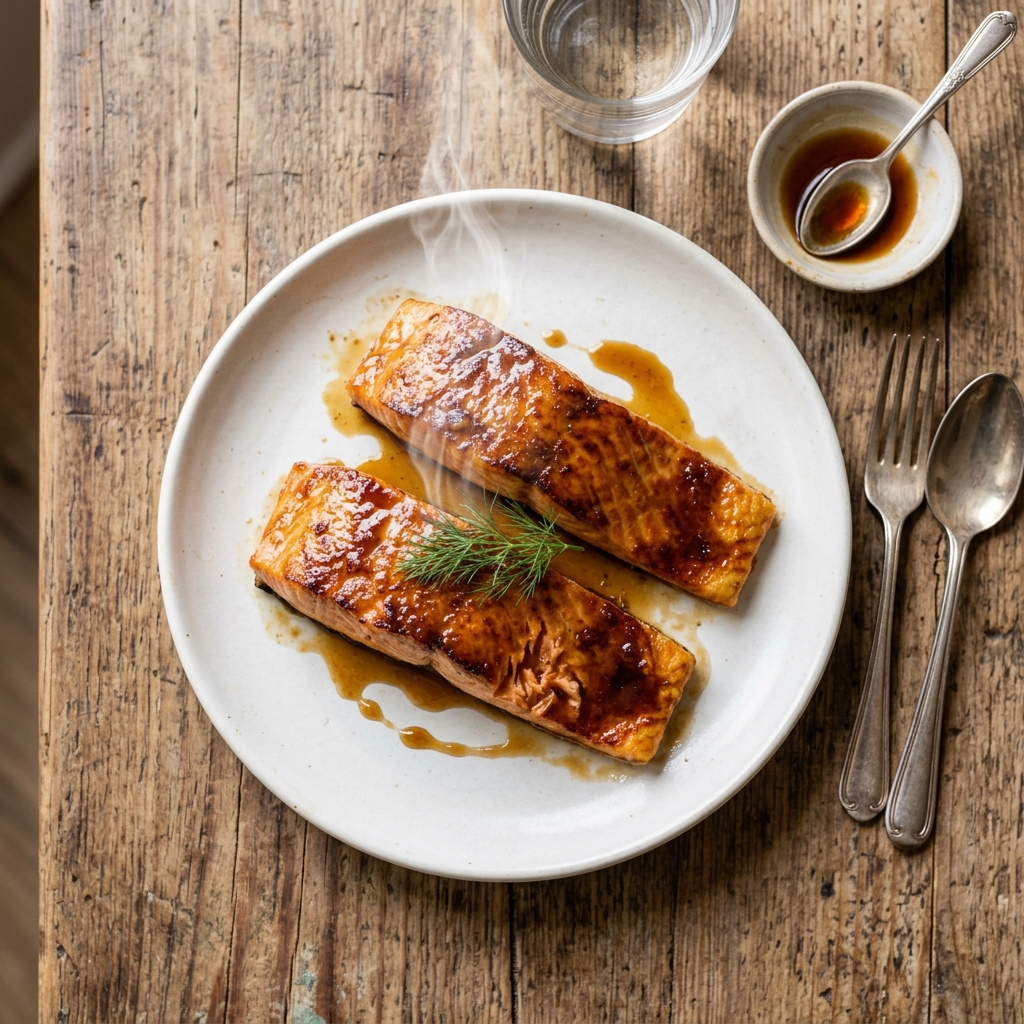
This salmon is rich and sweet, so I love pairing it with something light and fresh. A simple side of steamed green beans or a crisp garden salad works wonderfully. For a heartier meal, try serving it with creamy mashed potatoes or rice. If you are in the mood for a drink, this [LINK: Creamy Mango Smoothie Recipe | Easy 5-Minute Healthy Drink]creamy mango smoothie[/LINK] makes a refreshing accompaniment. You can also pair it with roasted asparagus or a side of buttery corn.
Storage and Reheating
Leftover salmon keeps well in an airtight container in the refrigerator for up to 3 days. To reheat, place the fillets in a skillet over low heat with a splash of water or lemon juice. Cover the pan and warm gently for 3 to 4 minutes. This prevents the fish from drying out. I do not recommend microwaving it, as that makes the fish rubbery and the glaze sticky.
FAQs
Q: Can I use frozen salmon fillets for this recipe?
Yes, you can. Just make sure to thaw them completely in the refrigerator overnight. Pat them very dry with paper towels before cooking. Frozen salmon holds more water, so drying is even more important to get a good sear.
Q: My glaze turned out too runny. What did I do wrong?
This usually happens if the pan is not hot enough when you add the glaze. The sugar needs high heat to caramelize and thicken. Make sure your pan is at medium-high heat before you add the glaze. Also, do not add too much liquid to the glaze. Stick to the measurements in the recipe.
Q: Can I grill this salmon instead of pan-searing it?
Absolutely. Preheat your grill to medium-high heat and oil the grates well. Place the salmon skin-side down and cook for 4 minutes. Flip, brush on the glaze, and cook for another 3 to 4 minutes. Watch closely so the sugar does not burn on the grill.
Q: What if I accidentally use salted butter instead of unsalted?
That is fine. Just reduce or skip the extra salt you would normally add to the salmon. The soy sauce already adds plenty of saltiness. Taste the glaze before adding it to the fish to adjust the seasoning.
Q: My salmon skin stuck to the pan. How do I prevent that?
The most common reason is that the pan was not hot enough. The skin needs intense heat to sear and release. Also, make sure the skin is very dry before it hits the pan. If it still sticks, let it cook a bit longer before trying to flip it. It will release on its own when it is ready.
Conclusion
I hope you enjoy making this Copycat Texas Roadhouse Salmon Recipe as much as I do. It has become a regular in my dinner rotation. The sweet glaze and crispy skin make it feel like a special meal, but it is so easy to throw together on a busy Tuesday. Try it out and let me know how it turns out for you.
 | ||||||||||||||||||||||||||||||||||||||||||||||||||||||
| ||||||||||||||||||||||||||||||||||||||||||||||||||||||